

10 Pelvic Floor Therapy Facts: Symptoms, Treatment and What to Expect
PELVIC FLOOR PHYSIOTHERAPY
10 Pelvic Floor Therapy Facts
Symptoms, treatment, and what to expect from respectful, individualized pelvic health care.
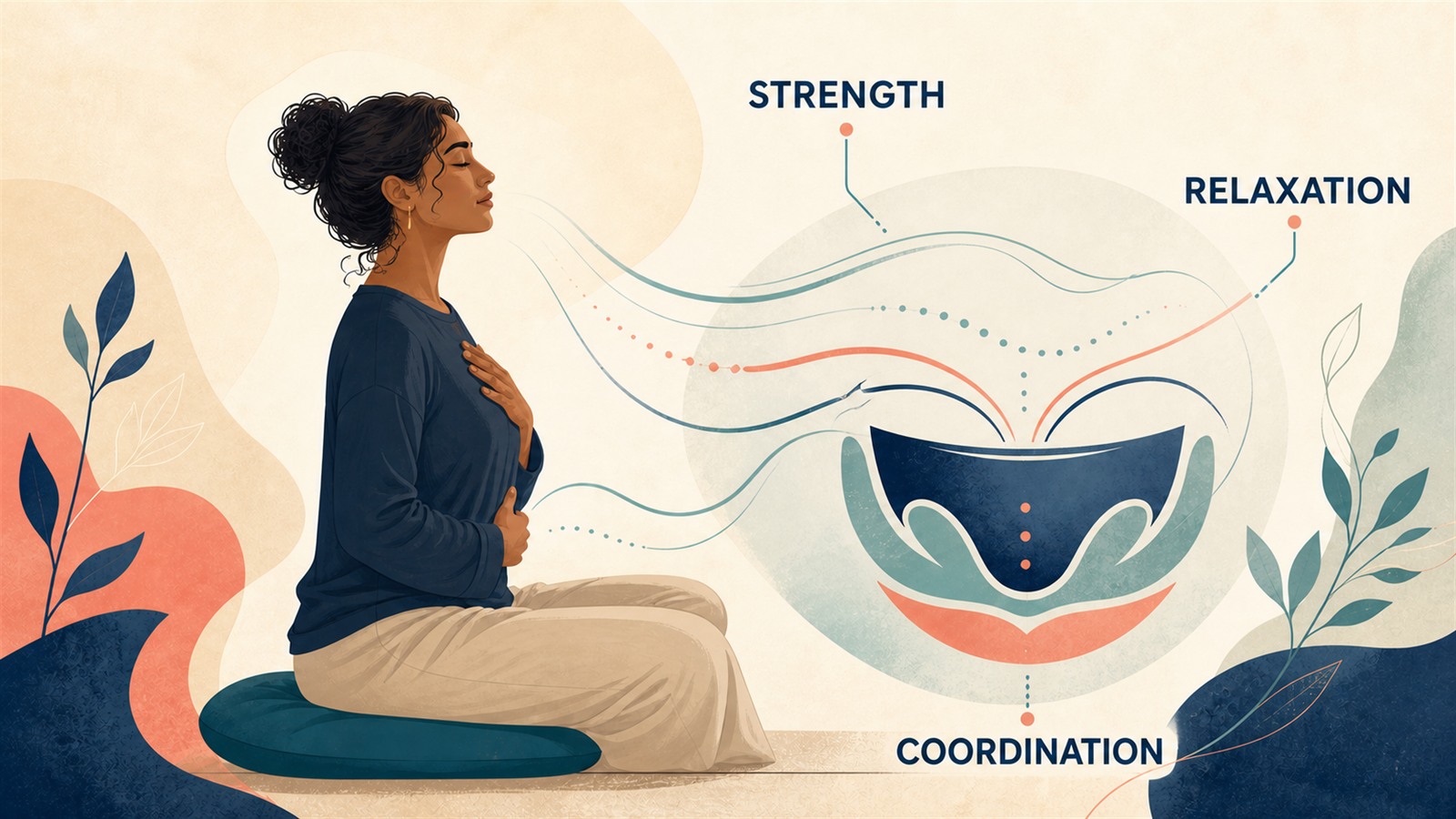
Pelvic floor physiotherapy is often described as a way to strengthen the muscles that support the bladder and bowel. That description is only part of the picture. These muscles also need to relax at the right time, coordinate with breathing and movement, and respond appropriately to everyday demands.
For that reason, pelvic floor physiotherapy is not one standard exercise programme. A physiotherapist considers your symptoms, health history, movement and goals before recommending an approach. Here are 10 useful facts to know if you are wondering whether pelvic health care may be relevant to you.
Quick summary
Pelvic floor physiotherapy may address bladder or bowel concerns, pelvic pain, painful sexual activity, pelvic pressure and some post-surgical concerns. Treatment is not always about strengthening, and an internal examination is not mandatory. The right plan depends on an individual assessment.
In this article
1Pelvic floor physiotherapy is about more than strength
The pelvic floor is a group of muscles and connective tissues at the base of the pelvis. These muscles contribute to bladder and bowel control and help support the pelvic organs. They also work with the diaphragm, abdominal muscles, hips and trunk as you breathe and move.
A well-functioning pelvic floor must do more than contract strongly. It also needs to relax, lengthen and coordinate. Someone may have difficulty generating enough force, releasing tension, responding quickly to pressure, or coordinating the muscles with breathing. More than one of these issues can occur at the same time.
This is why a symptom cannot tell you by itself whether your pelvic floor is “weak” or “tight.” Assessment helps determine which aspect of function may need attention.
2Pelvic floor concerns are not limited to women or the postpartum period
Pregnancy and childbirth are commonly associated with pelvic health, but people of different sexes, ages and life stages can experience pelvic floor symptoms.
Pelvic health care may also be considered by people experiencing symptoms after pelvic or prostate surgery, during menopause, alongside persistent pelvic pain, or in connection with bladder or bowel concerns. The causes and appropriate treatments can differ considerably, so inclusive care does not mean giving everyone the same programme.
Care should reflect each person’s anatomy, symptoms, health history and goals. The approach may therefore differ across pregnancy and postpartum physiotherapy, women’s health physiotherapy and men’s pelvic floor physiotherapy.
RELATED READING
Pregnancy and postpartum physiotherapy
Explore care designed for pregnancy, birth preparation and postpartum recovery.
3People seek pelvic floor physiotherapy for more than urinary leakage
Stress urinary incontinence, which is leakage with actions such as coughing, sneezing or exercise, is one well-known pelvic floor concern. Pelvic health physiotherapists may also assess people who report:
- urinary urgency, frequency or difficulty controlling the bladder.
- bowel urgency, leakage, constipation or difficulty emptying.
- pelvic, genital or tailbone pain.
- pain during or after sexual activity.
- a feeling of heaviness or pressure in the pelvis.
- changes associated with pregnancy, postpartum recovery or pelvic surgery.
These symptoms can have more than one cause. Pelvic floor physiotherapy may be one part of care, but a physiotherapist should not assume that every bladder, bowel or pain concern starts in the pelvic floor. Persistent, severe or changing symptoms may also require assessment by a physician or another qualified healthcare professional.
A broader overview of pelvic floor disorders and related physiotherapy services can help with orientation, but a list of conditions cannot determine the cause of an individual’s symptoms.

4A pelvic floor can be overactive as well as underactive
An overactive pelvic floor has difficulty relaxing or may remain more tense than a task requires. This can be associated with pain, difficulty emptying the bladder or bowel, and poor muscle coordination. In those situations, repeatedly contracting the muscles may not address the main problem.
Treatment may focus on awareness, breathing, relaxation, graded movement or coordination. Depending on the assessment findings, pelvic floor physiotherapy may involve strengthening, relaxation, or a combination of both.
“Tight” and “strong” are not interchangeable. A muscle can hold tension and still have poor endurance or coordination. That is another reason to avoid choosing exercises based only on a symptom list.
5Kegel exercises are not a universal starting point
Kegels are repeated pelvic floor contractions. They can be useful when training is appropriate and the person can contract and release the correct muscles. Clinical guidance supports supervised pelvic floor muscle training for certain defined conditions.
For example, the UK’s National Institute for Health and Care Excellence recommends supervised programmes for women with stress or mixed urinary incontinence and also considers them for some cases of symptomatic pelvic organ prolapse. The recommended programme and review period depend on the condition. That evidence should not be stretched into “everyone should do Kegels.” Pelvic pain, overactivity, poor relaxation and coordination difficulties may call for a different starting point. Even when strengthening is suitable, technique and progression matter.
More information about technique and common questions is available in pelvic floor exercises: what you need to know. General exercise information should be used as education rather than as a personal diagnosis or prescription.
The same need for individualization applies during sport. Pelvic floor muscle training for athletes explains additional considerations for active people, but recommendations should still be based on the athlete’s symptoms and assessment.
RELATED READING
Learn more about pelvic floor exercises
Understand what pelvic floor exercises involve and why an individualized starting point matters.

6Your first appointment begins with a conversation
Before any physical assessment, a pelvic health physiotherapist will generally need to understand why you came, what you hope to change and how the symptoms affect daily life. Relevant questions may cover bladder and bowel habits, pain, pregnancy or birth history, surgery, medications, physical activity and other health conditions.
Some topics can feel private or difficult to discuss. You can ask why a question is being asked, request more explanation, or say that you are not ready to discuss something. A respectful appointment should give you room to make informed choices rather than making you feel rushed into an examination.
A physical assessment may include breathing, posture, movement, the hips, back or abdomen, as well as external observation of pelvic floor function. When posture is relevant to your symptoms, the assessment may also consider broader movement factors addressed through posture-related physiotherapy. What is appropriate will depend on your concern and your consent.
RELATED READING
What to expect at your appointment
Prepare for the conversation, assessment choices and planning involved in a first visit.
7An internal examination may be offered, but it is optional
An internal vaginal or rectal examination can sometimes provide valuable information about pelvic floor tension, tenderness, strength, endurance, relaxation and coordination. It is not the only way to begin an assessment, and it should not happen without informed consent.
The physiotherapist should explain why an examination is being suggested, what it involves and what alternatives are available. You may decline, ask to stop, or change your mind. Vancouver Coastal Health’s patient information states that an internal pelvic floor examination is not a requirement and that care can continue when a patient does not consent to one. That patient resource is included in the references below.
If you have concerns related to pain, trauma, culture, privacy or previous healthcare experiences, you can raise them before or during the visit. You may also ask what draping, positioning, support-person and external-assessment options are available.
8Treatment can include much more than exercises
Treatment is selected from the assessment rather than from a standard checklist. Depending on the person and the physiotherapist’s scope and training, a plan may include:
- education about pelvic floor and bladder or bowel function.
- breathing, relaxation or coordination practice.
- pelvic floor muscle training when indicated.
- movement, mobility or progressive strengthening exercises.
- bladder or bowel habit strategies.
- manual techniques;
- biofeedback or other tools that help a person understand muscle activity
- a manageable home programme and periodic reassessment.
Not every clinic offers every technique, and treatment should be individualized to each patient.

9Progress is individual, so fixed treatment promises are misleading
It is natural to want to know how many appointments recovery will take. There is no single responsible answer. The plan may be influenced by the type and duration of symptoms, other health conditions, treatment goals, ability to practise between visits and response to care.
Guidelines sometimes specify minimum programme lengths for a particular diagnosis, but those recommendations do not establish a universal recovery timeline. A physiotherapist should review your progress, adjust the plan and discuss other care options when the expected changes are not occurring.
Be cautious with claims that pelvic floor physiotherapy will “cure” a condition or rapidly restore every aspect of function. A useful plan sets goals that matter to you and tracks change without promising a particular outcome.
10Pelvic floor physiotherapy may be one part of a broader care team
Pelvic pain and bladder or bowel symptoms can involve muscular, urological, gynecological, gastrointestinal, neurological and other factors. Some concerns are best managed by more than one healthcare professional.
The American College of Obstetricians and Gynecologists notes that chronic pelvic pain may involve care from professionals such as a physician, pelvic floor physical therapist, pain specialist or mental health professional. It also describes physical therapy as one of several possible components of care rather than a universal stand-alone solution.
Working with a broader team does not mean the symptoms are imagined or “all in your head.” It recognizes that persistent symptoms can have several contributors and may need coordinated care.

Now the question is: When should you consider pelvic floor physiotherapy?
An assessment may be worth discussing if bladder, bowel, pelvic pain, pressure or sexual-health symptoms are affecting your comfort, activity or daily decisions. It may also be considered during pregnancy, after childbirth, or around certain pelvic surgeries.
When to seek medical assessment promptly
Seek medical assessment promptly for severe or sudden pelvic or abdominal pain, fever, unexplained bleeding, inability to urinate, blood in urine or stool, new neurological symptoms, or other symptoms that feel urgent. Physiotherapy should not delay necessary medical investigation.
Frequently asked questions
Clear answers to common questions before a first pelvic health appointment.
Select a question to expand the answer.
Do I need a referral for pelvic floor physiotherapy in BC?
No. You can book pelvic floor physiotherapy directly in BC without a doctor’s referral. However, some extended-health plans may require a referral for reimbursement, so check your insurance coverage before your first appointment.
Is an internal pelvic floor examination required?
No. An internal examination may be suggested when it could provide useful information, but it requires your informed consent. You can decline or withdraw consent. Ask the physiotherapist to explain external assessment and treatment options if you do not want an internal examination.
What should I wear or bring to the first appointment?
Wear clothing that allows you to move comfortably. Bring relevant medical information, a medication list and any questions you want to remember. Contact the clinic beforehand if you are uncertain about forms, records or preparation requirements.
Is pelvic floor physiotherapy only for postpartum women?
No. Pelvic floor symptoms can affect people of different sexes and at many life stages. Pregnancy and childbirth are only part of pelvic health practice. Assessment and treatment should be adapted to the person’s anatomy, health history, symptoms and goals.
How do I know whether I should strengthen or relax my pelvic floor?
Symptoms alone may not give a reliable answer. Weakness, overactivity, pain, poor relaxation and coordination problems can overlap. An individualized assessment can help determine whether treatment should emphasize strengthening, relaxation, coordination or another approach.
A more informed first step
Pelvic floor physiotherapy is broader than Kegels. It may involve education, movement, muscle training, relaxation, symptom-management strategies and coordination with other healthcare professionals. The useful question is not simply whether your pelvic floor is strong; it is how well the system is functioning in relation to your symptoms and goals.
This article provides general education and is not a diagnosis or individualized treatment plan.
Clinical references
These external sources support the medical statements in the article. They are grouped here to keep the main reading path clear and easy to follow.

Cynthia Pathipati – Registered Physiotherapist
Cynthia Pathipati completed her bachelor’s in physiotherapy and is a qualified Registered Physiotherapist in good standing with the College of Physiotherapists of BC with more than 15 yrs of experience. She has Post-Graduate Credentials and Certifications as well as extensive knowledge experience in treating pelvic floor, orthopedic, neurological, vestibular and pain conditions.